







Search Results for: Special Processing Method
Coffee Bean Processing Methods | What Is the Simon Special / Bag Fermentation Coffee Processing Method? What Characteristics Do Coffee Beans Treated with the Simon Special Process Have?
Whether sun-dried or washed, coffee processing originally existed simply to dry the beans so they could be stored conveniently. But once people discovered that different processing methods give coffee different flavor variations, more and more processing methods emerged to serve flavor. For example, now [more…]
A Complete Guide to Coffee Bean Processing Methods: The Boundaries of Traditional Craft, Fermentation Innovation, and Special Processing Techniques
The processing method of coffee beans directly affects the flavor in the cup. From natural, washed, to honey processing, each traditional craft has its own unique expression. However, in the past decade, many processing methods claiming to be "special" have emerged in the coffee world. How exactly are they defined in relation to traditional methods? This article sorts out the characteristics and differences of common processing methods, explores the role of fermentation in tradition and innovation, and introduces the Red Plum processing method from Finca Paraiso in Colombia. Front Street Coffee is always happy to share coffee knowledge, hoping to let more people understand the logic behind processing methods and drink the best coffee at the lowest price. [more…]
Understanding the Sim Special Processing Method: Processing Flow and Flavor Characteristics of Bagged Fermented Coffee
In the specialty coffee world, processing methods have a huge impact on flavor. The Simon special processing method, also known as bag fermentation, is an innovative processing approach that has attracted much attention in recent years. By placing coffee cherries into sealed bags for anaerobic fermentation, it gives coffee beans unique fruity notes and spicy aromas. This article will introduce in detail the principles and specific operational process of the Simon special processing method, and use a Ethiopia Guji Simon-processed heirloom variety recommended by Front Street Coffee as an example to analyze its flavor performance. Whether you are a coffee enthusiast or a industry professional, you can gain a complete understanding of this processing method from it. [more…]
An In-Depth Analysis of Semeon Abay's Special Anaerobic Processing Method: From Fermentation Technique to Flavor Expression
Coffee bean processing methods are becoming increasingly diverse, and among them the Semeon Abay processing method has attracted the attention of many enthusiasts with its unique fermentation logic and personal character. From the perspective of Front Street Coffee, this article systematically sorts out the origin story and operational process of this special processing method, while also comparing the advantages, disadvantages, and flavor differences of the three traditional methods—washed, natural, and honey—to help readers more clearly understand the impact of different processing methods on coffee taste and provide a reference basis for everyday purchasing decisions. [more…]
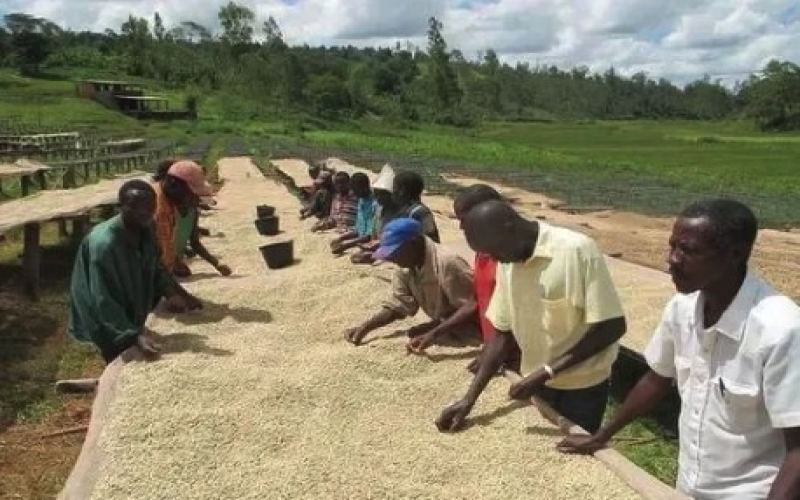
Officials of the African Coffee Association urged traders to specially handle the export of special processing method coffee.
Traders of the special processing method coffee should reduce the export of coffee with traditional processing methods. From February 6th to 10th, the 20th African Fine Coffee Conference and Exhibition was held in Addis Ababa, the capital of Ethiopia [more…]
A Comprehensive Analysis of Specialty Coffee Processing Methods: The Craft and Flavor of Anaerobic Fermentation, Barrel Aging, and Wine Infusion
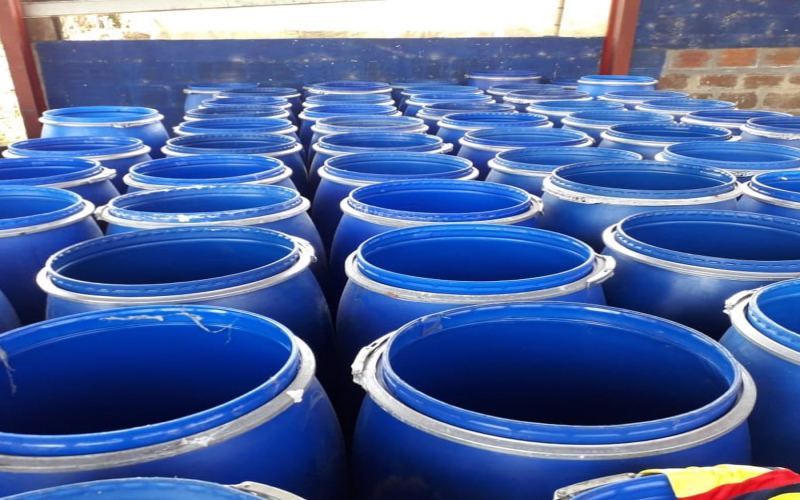
In recent years, an increasing number of specialty green coffee beans processed with special processing methods have appeared on the specialty coffee market. Is this really something to be happy about? Front Street Coffee believes that special processing methods were originally intended to give the flavor of coffee beans from a certain producing region more distinctiveness. However, as their use has continued to expand, some processing methods today seem to be more about masking the defects of the coffee beans themselves and then selling them at a high price. In fact, all special processing methods have evolved around the three traditional methods: washed, natural, and honey. This article will systematically sort out the most common types of special processing methods on the market, including anaerobic fermentation, barrel fermentation, and red wine processing, and, combined with Front Street Coffee's cupping experience and specific products, analyze their processing procedures and flavor characteristics. [more…]
"The coffee processing method" is what? natural , washed , and honey processing method.
The processing method of coffee has always been the key link in the refined processing of green coffee beans. With the development of market demand and the exploration of the industry, on the basis of the mainstream "three major processing methods", [more…]
Which estate does Saint Lion coffee bean come from? A full analysis of the flavor of the Hambela Benti Nenqua micro-lot special processing method
Sacred Lion coffee beans have attracted considerable attention from coffee enthusiasts in recent years. Which estate do these beans actually come from? And what makes them so special? The answer points to Ethiopia's Hambela estate, specifically lot 121 produced by the single farm Benti Nenqua. The estate belongs to METAD, and after Aman Adinew, who once held a key position at a Fortune 500 company, took over the family business, he introduced corporate management and SCAA quality standards, equipping it with a farm, processing plant, and coffee laboratory. Green bean traders named it "Sacred Lion" and specifically noted the SLD single-layer slow drying process to distinguish it from other natural Ethiopian beans. The cupping profile presents tropical fruit, citrus, stone fruit, strawberry jam, and a blueberry finish. This article will provide a complete introduction to this micro-lot's origin background, processing method, and flavor characteristics, while retaining relevant recommendations for the Front Street Coffee brand. [more…]
A Detailed Analysis of the Double Anaerobic Enzyme Washed Processing Method: Colombia Rose Valley Coffee Flavor and Brewing Guide
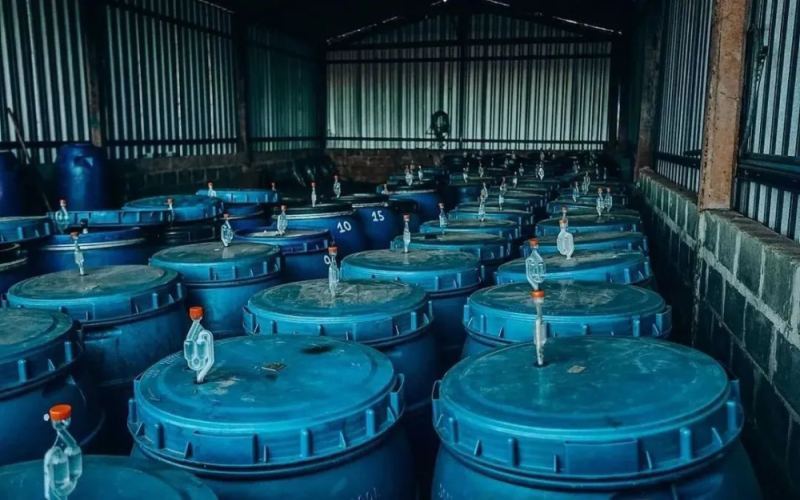
Special processing methods have been steadily gaining popularity in the coffee world. These processing methods give coffee beans a distinctive flavor signature and rich aroma, forming a strong contrast with traditional processing methods. This article uses Front Street Coffee's Colombia Rose Valley coffee beans as a sample to deeply analyze the principles and characteristics of the double anaerobic enzyme washed processing method. Starting from the basic concept of anaerobic fermentation, it gradually breaks down the specific process of double fermentation, and combines the growing background of Big Tree Estate and the characteristics of the Caturra variety to present the complete picture of this bean. At the same time, it also includes Front Street's recommended V60 brewing parameters and operating steps to help coffee lovers reproduce Rose Valley's peach, cranberry, and liqueur chocolate flavors at home. [more…]
How Do You Distinguish Anaerobic-Processed Coffee from Flavored Coffee? Is Added Flavoring Harmful to Health? A Detailed Explanation of Special Processing Methods
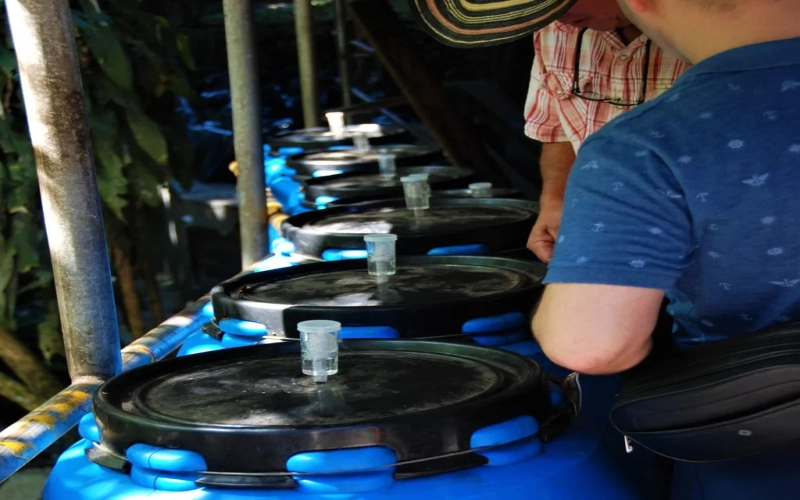
In recent years, the processing method descriptions on coffee bean labels have become increasingly long, with various special processing methods, primarily anaerobic, emerging one after another. When many consumers drink anaerobically processed coffee with unique flavors, they wonder whether flavorings were added during roasting. This article sorts out the differences between anaerobic natural and anaerobic washed, explains why special processing methods are mostly led by well-funded estates, and cites the views of world champion Sasa to clarify the essential differences between flavored coffee and the addition of enzymes or yeast fermentation. It also answers questions such as whether anaerobic coffee is equivalent to flavored beans and whether it harms health, helping coffee lovers understand more transparently where the flavors in their cup come from. [more…]

An Analysis of the Unique Processing Method, Flavor Evolution, and Front Street Brewing Parameters of Aged Mandheling
Aged Mandheling is a special type of coffee that has undergone prolonged resting and maturation, giving it a flavor distinct from regular Mandheling. It originated in the era of long maritime shipping, and today it relies on strict warehousing management at the origin to "create" beans with soft acidity, full body, honey-like sweetness, and complex aged notes. In this article, Front Street Coffee will start with the origins and key operational points of the aging process, compare the differences between aged beans and fresh beans, analyze changes in green bean appearance and flavor, and include Front Street Coffee's roasting curve, cupping information, and KONO dripper brewing parameters to help coffee enthusiasts understand this "time-brewed" Mandheling. [more…]
Why do medium-roast coffee beans look darker? How roasters determine color value and the influence of processing method
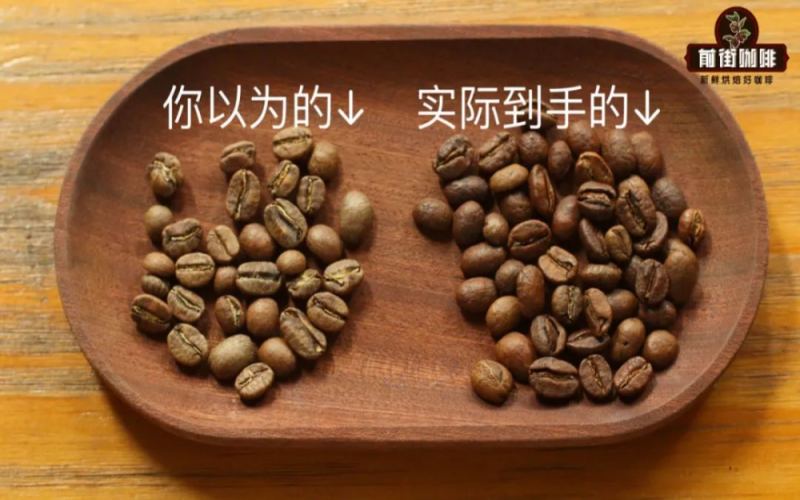
Many coffee enthusiasts, upon receiving a bag of beans labeled as medium roast, often wonder: why does the color look like a dark roast? Sometimes a single bag even contains beans of two different colors—does that mean the roast is uneven? In fact, these phenomena are not necessarily quality control failures; they are very likely related to how the beans were processed. This article will explain how coffee beans gradually turn brown during roasting through the caramelization reaction, and clarify why honey processing and special processing methods can make the bean surface appear darker. It will also introduce how roasters use indicators such as color value to judge the degree of roast, helping readers understand the relationship between roasting and appearance more objectively, and avoid misjudging a bean's true roast level based on color alone. [more…]
Why is Geisha coffee beans so expensive? Understand the price of Geisha coffee beans.
Geisha has made a big splash in recent years, and under the pursuit of enthusiasts, its price seems to be creating a historical high every year. With this kind of information, exactly what price should the Geisha coffee beans you buy reach before it [more…]
An In-Depth Explanation of the Meaning of 90+ Single-Origin Bean L195: A Complete Guide to the Flavor Description System and Grading Rules
90+ (Ninety Plus) is a highly regarded green coffee brand in the specialty coffee world, and its unique flavor symbols and Level grading system often leave enthusiasts confused. This article will start with the L195 grade, systematically sorting out 90+'s grading logic, the meanings of its flavor symbols, its exclusive processing methods (Red, Ruby, Solkiln), and the Profile Processing production system. At the same time, it will explain in detail the representative 90+ coffees recommended by Front Street Coffee, including the flavor characteristics of beans such as Perci, Straight Talk, and Lotus, and their corresponding grades, helping readers fully understand this legendary brand's green coffee philosophy. [more…]
Is Colombian coffee considered black coffee? What makes the flavors brought by special processing methods unique?
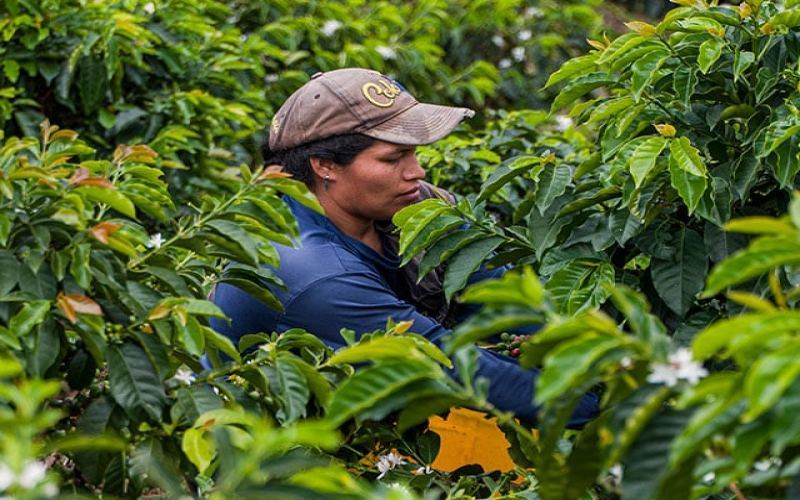
Colombian coffee occupies an important place in the global specialty coffee landscape. Its washed beans are known for their rich, balanced character, while in recent years special processing methods such as anaerobic fermentation have injected entirely new flavors into this producing region. From the perspective of Front Street Coffee, this article sorts out the varietal characteristics of Colombian coffee, the geographical advantages of the Huila region, and the flavor differences brought by two processing methods: washed and anaerobic natural. It also introduces the selection logic behind Front Street Coffee's everyday beans series, and includes specific pour-over parameters and brewing steps for Huila everyday beans, helping coffee enthusiasts fully understand the diversity of Colombian coffee. [more…]
Colombian Specialty Coffee: The Advantages of Small-Scale Farms and the Flavor Innovation of Special Processing Methods
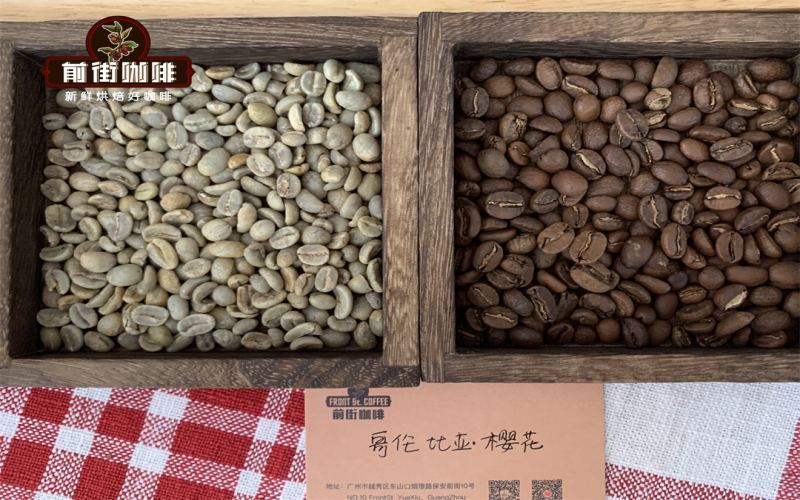
Colombia, with its exceptional geographical conditions, demonstrates strong capabilities in the specialty coffee sector. Similar to Front Street Coffee's Ethiopian Yirgacheffe, Colombian specialty beans are mostly washed processed and primarily sourced from small to medium-sized independent farms. Compared to Brazil's large-scale plantations, the smallholder model often delivers superior cupping performance. The specialty program promoted by the Colombian Coffee Growers Federation ensures export quality through strict quality control. In recent years, innovative processing methods such as rum barrel infusion and anaerobic fermentation have also emerged from Colombia, continuously injecting new ideas into the specialty coffee world. A recent new pour-over release from Front Street Coffee once again let me experience the captivating floral aromatics and potential of Colombian specialty coffee. [more…]
Colombia Special Processing Dual-Bean Analysis: A Comprehensive Comparison of Rose Valley and Flower Moon Night from Origin to Flavor
In recent years, specialty-process coffee beans have attracted considerable attention in the specialty coffee world. This article focuses on two star products from Colombia—Rose Valley and Flower Moon Night, both selected by Front Street Coffee. Both use the Caturra variety, but they come respectively from the Santander Finca El Diviso and the Huila Finca Astorga, and their processing methods use double anaerobic enzyme wash and anaerobic natural, respectively. The article will break down in detail their origin backgrounds, variety characteristics, and processing differences, helping coffee lovers understand how these factors shape the strikingly different flavor expressions in the cup. [more…]
What exactly makes Indonesian PWN Golden Mandheling so special? A full breakdown of its region, variety, and processing method.
Friends who enjoy full-bodied coffee have probably heard Front Street Coffee baristas recommend Indonesian Mandheling. However, ordinary Mandheling often carries an earthy note that puts many people off. Front Street Golden Mandheling is completely different—the flavor is clean, with no muddy taste, replaced instead by a chocolate-like silky richness and a long, sweet finish. Why is this bean so special? This article explores three dimensions of Front Street PWN Golden Mandheling—growing region, variety, and processing method—explaining in detail the characteristics of the new harvest from Mount Gayo in Aceh, the background of PWN company and the origin of the Golden Mandheling trademark, along with Front Street's roasting analysis and brewing suggestions, to give you a comprehensive understanding of this specialty Mandheling. [more…]
A Detailed Explanation of the Anaerobic Double Fermentation Process: The Flavor Code and Processing Craft of Colombian Rose Valley Coffee
Anaerobic fermentation has garnered significant attention in the specialty coffee world in recent years, and double anaerobic fermentation has become a popular choice thanks to its clean finish and distinctive flavor profile. Starting with the anaerobic processing methods introduced by Front Street Coffee, this article takes a deep dive into the origin background of the Colombian Rose Valley beans, the cultivation and processing details at Big Tree Estate, and how anaerobic double enzyme washed processing imparts better sweetness and balance to the coffee. If you are interested in the principles and flavor expression of special processing methods, this article will take you on a journey of discovery. [more…]

How Anaerobic Fermentation Reshapes the Coffee Flavor Landscape: From WBC Championship to Santa Viny 96-Hour Natural
In recent years, the coffee consumer market has continued to expand, and various novel green bean processing methods have emerged one after another. The industry habitually refers to them collectively as special processing methods. These techniques give coffee a more diverse and distinctly individual flavor expression, and also bring richer layers of mouthfeel, thus winning the favor of a large number of enthusiasts. At present, the more mainstream special processing methods include anaerobic washed or natural, enzyme washed, lactic acid fermentation, and barrel-aged processing, among others. Among them, anaerobic fermentation has especially high exposure. This trend can be traced back to 2015, when the WBC World Barista Championship winner that year, Sasa Sestic from Australia, brought anaerobic fermentation processing into the public eye, and discussions around the fermented feel of coffee have not ceased to this day. This article will sort out the development of anaerobic processing, analyze the specific process of anaerobic natural, and introduce anaerobic-processed coffee beans such as Santa Vini currently sold by Front Street. [more…]